Before the light changes
Photographing your parents in the places, routines and relationships that make them who they are — while they are still here to be in the picture.
You have thousands of photographs on your phone and none on your walls.
A parent reaches a birthday. The family is home for the summer, everybody in one house for the first time in years. Almost none of the photos on everyone's phones show your parents as they actually live now. Those are records. They are not photographs anyone would put on a wall.
A wall-worthy portrait gets made on purpose. Someone decides it matters, chooses a day, and makes it happen. The picture that ends up above the mantel — the one your family will point at in 30 years — exists because one person stopped waiting for a better time.
This guide is about being that person. Seven things to think about, in order, and none of them complicated.
Why it matters more than you think
Photographs are a kind of time machine. A good one keeps more than a likeness — it keeps a posture, a pair of hands, a season of a life. Twenty years from now it will be the closest thing you have to standing in the room with someone.
There is also the person in the photograph to consider. To be looked at with attention, and then shown the result, tells someone they were worth the trouble. Many people in their 80s have not been properly photographed since their wedding day.
And the plain truth — things change, and nobody expects it. The ones who never say we always meant to are the ones who picked a date.
This is not about who your parents were. It is about who they are now, in the midst of a life still being lived.
When to make it
Find an occasion — a birthday, an anniversary, the summer everyone is home. It makes the day easier to ask for and easy to say yes to. And where there is no occasion, make it this year anyway. There is still value in capturing people as they are now, rather than waiting for a better version of someone.
- — Book it around something good: a birthday, an anniversary, a reunion, a season they love.
- — An unhurried hour is easier now than later: standing, walking to the garden, sitting a while for attention.
- — A session made in a good season is a pleasure. One made in a hurry is a scramble, and it shows.
“I don’t want my picture taken”
Expect hesitation, and take it seriously. “I don’t want my picture taken” can mean several different things. Don’t argue. Work out which one it is.
Uncertainty is easily mistaken for refusal. Say exactly what will happen: where, how long, who comes, what to wear — and that nobody must perform.
“I’d like photographs of us together, at home, while everyone is here. Nothing is wrong. This matters to me.”
“Instead of a present this year, I’d like an afternoon of pictures — you, at home, the way you are.”
“I’m not asking because of your age. I’m asking because we love you, and there isn’t one decent picture of all of us together.”
“Wear whatever you want to wear. Nobody looks at these and thinks about clothes.”
Photograph them where they live, doing the things they love
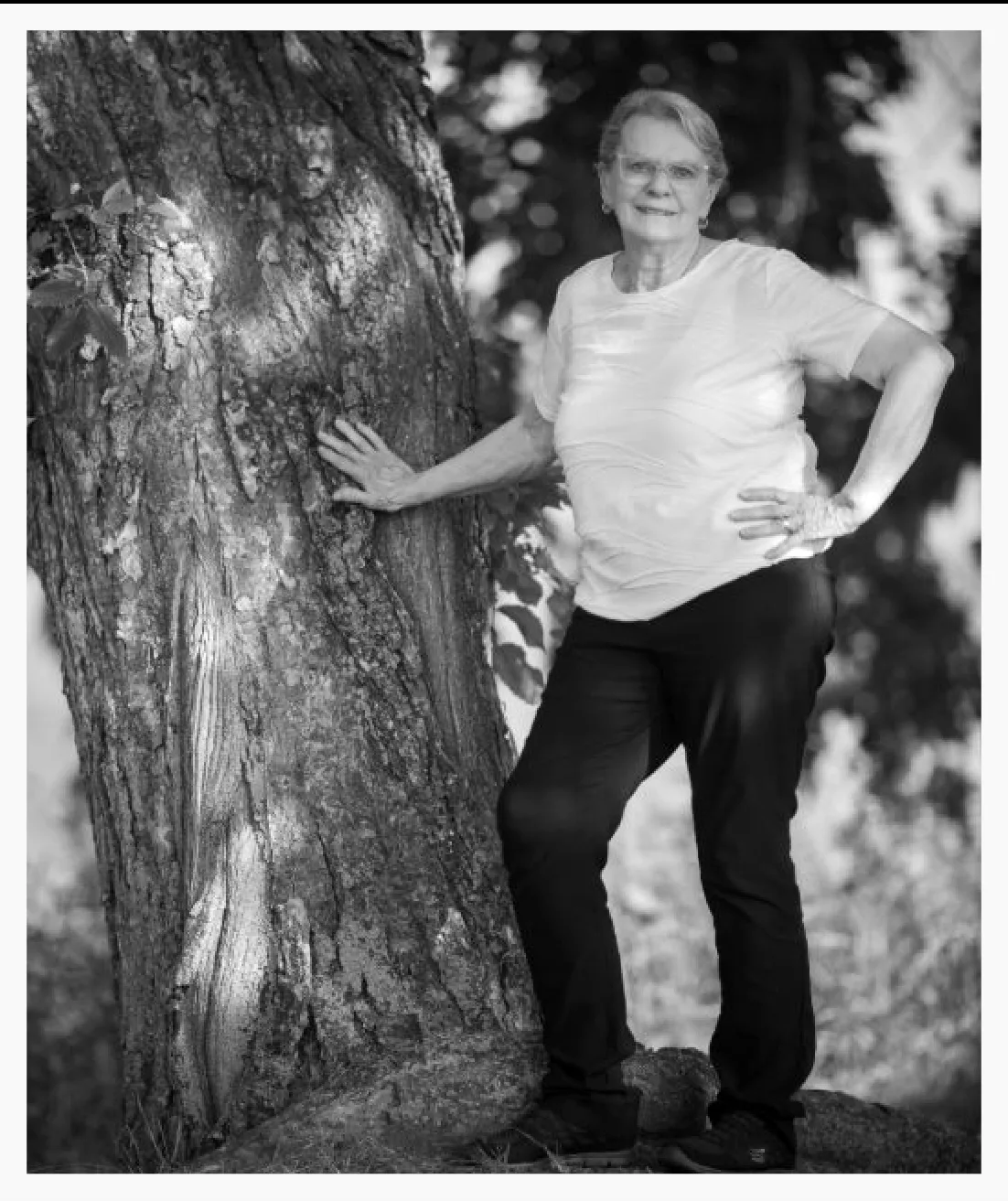
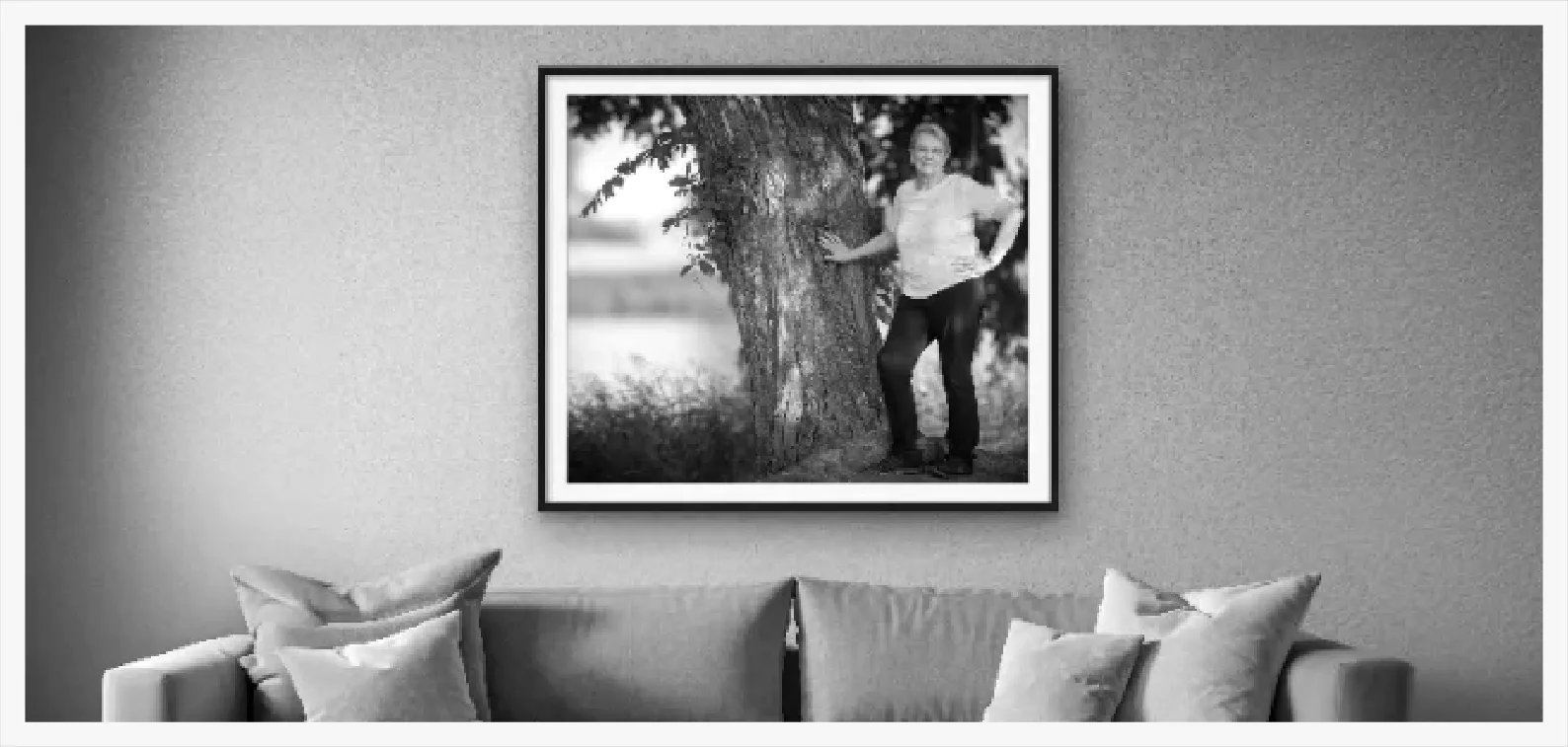
A studio backdrop makes decent head-and-shoulders images, but they tell you nothing about anyone. A house tells you everything. Your mother’s chair that nobody else sits in. The workshop, the sewing room, the garage where dad keeps his boat. The front step of the house they have kept for 40 years.
These rooms change too — houses are sold, downsized, cleared over a single weekend. Photograph the room while the room is still theirs. And not every frame needs to be polished. The candid ones are the ones people linger over, because that is how your parents actually were.
Who else belongs in the frame
A legacy session is rarely a single portrait. It is a small, deliberate set, and the set is what turns it from a nice picture into heirlooms. Plan for each parent alone. The two of them together. Each adult child with their parents, one at a time. Grandchildren, if there are grandchildren. And once, everyone in the room at the same moment — which may be the only frame of its kind you ever get.
Name a single person in the family to organize it, and choose a day when people are already in town. Ask everyone to dress simply and in the same register: no logos, no slogans, nothing that will date the picture. Then leave the rest to me.
Families rarely regret making these photographs. They might regret the years they spent meaning to, but not getting around to it.
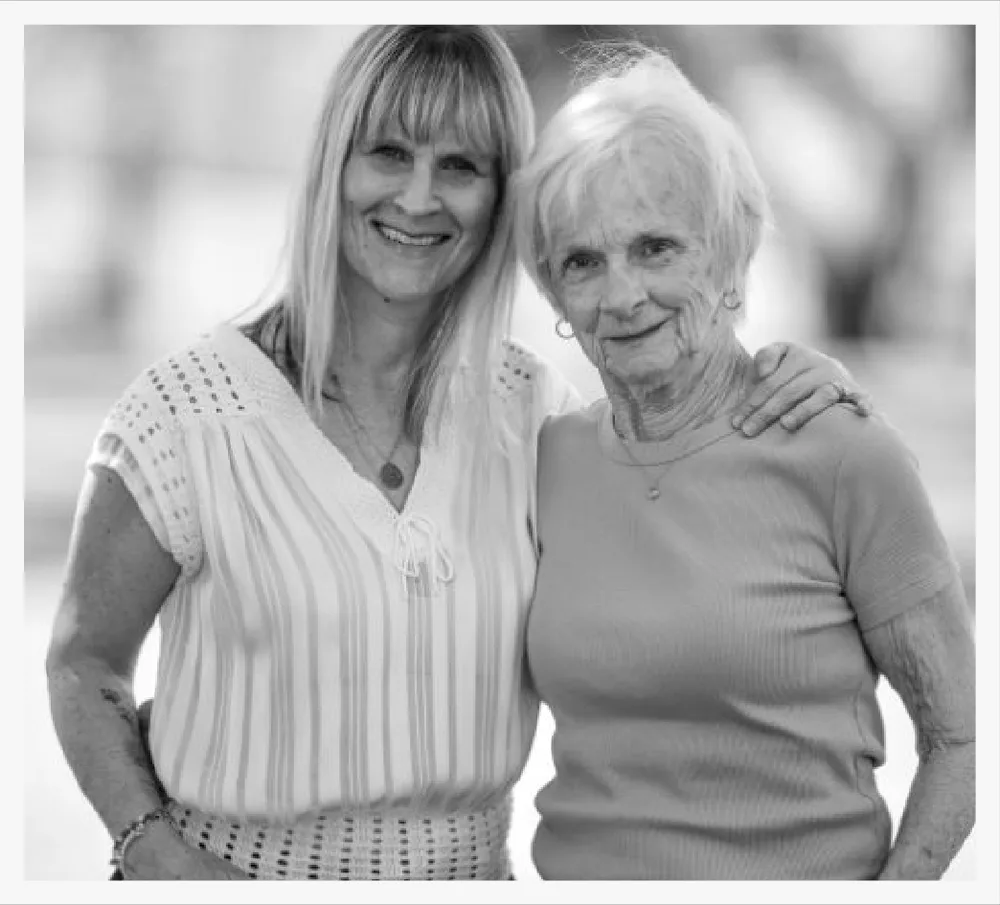
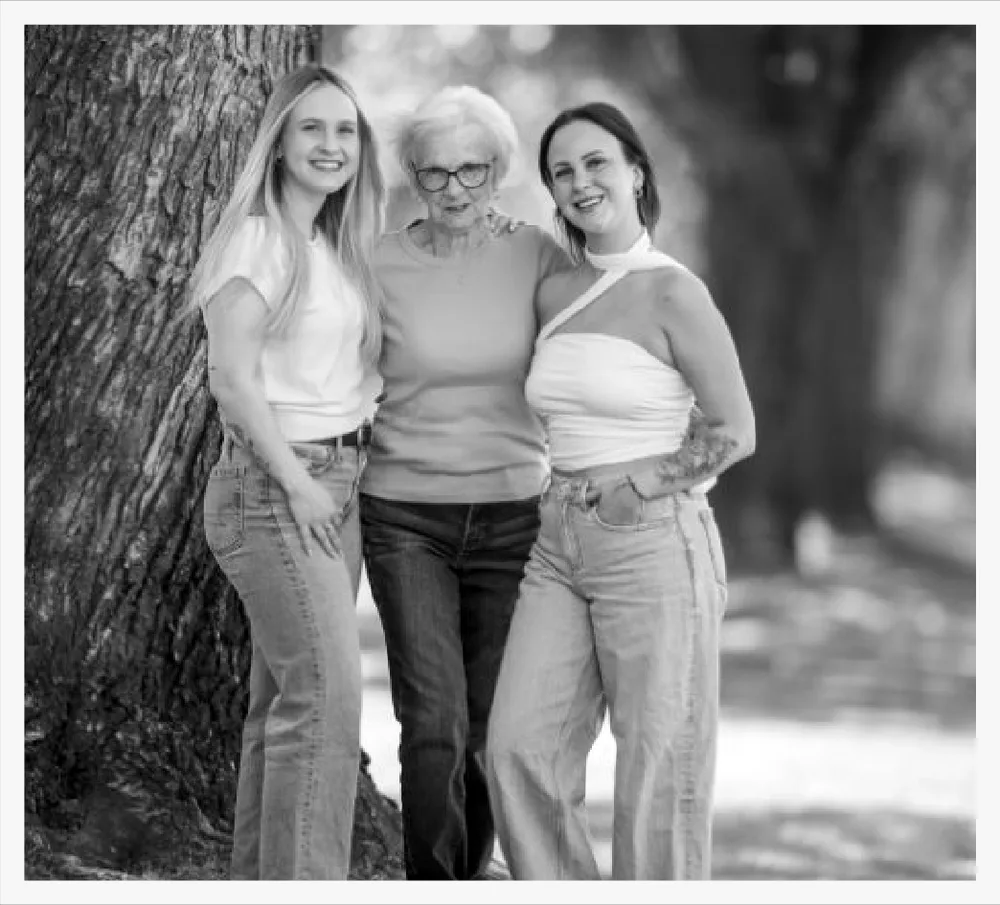
The frames worth coming away with
Nine photographs. Ask for them by name, and you will not get home and realize something obvious is missing.
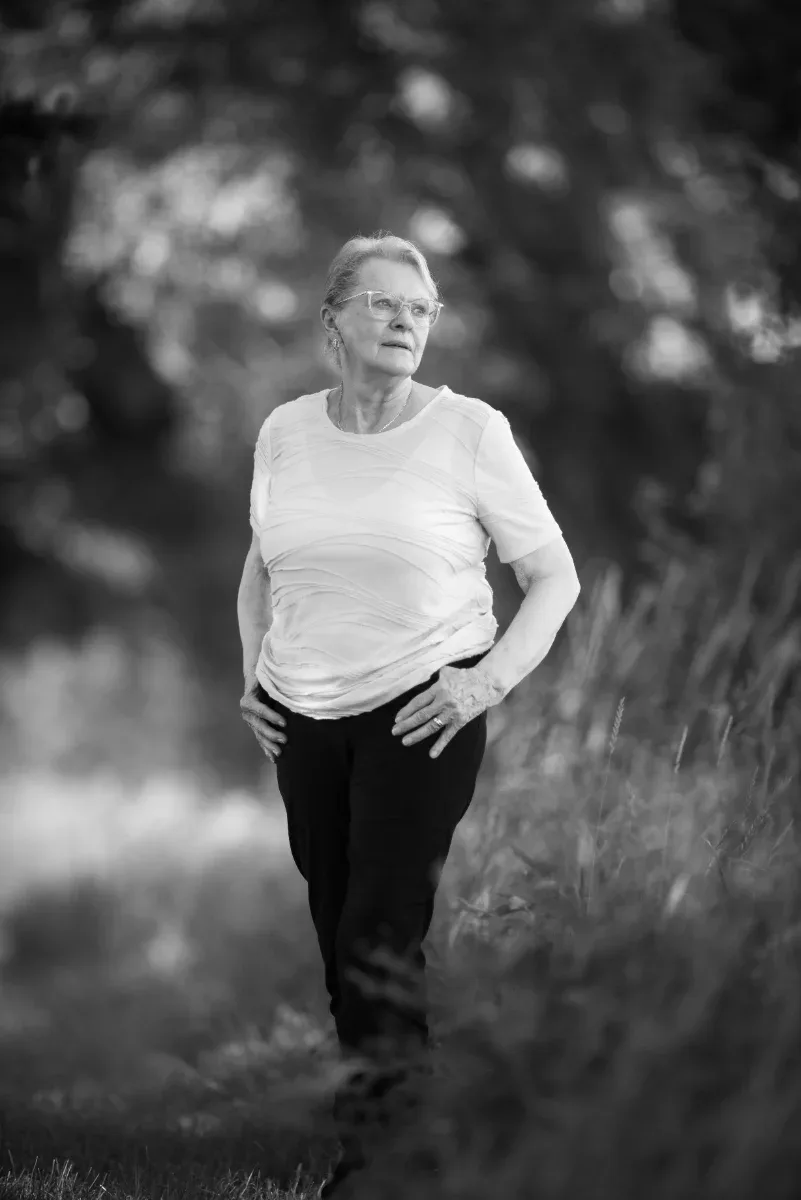
- Each parent as themselves — looking toward the camera, or away. The one that ends up on the wall.
- The two of them, close enough to be touching.
- Their hands. Only the hands, together, rings and all.
- In their chair, in their room, wide enough to show the house.
- Doing something familiar — the workbench, the garden, the piano, the dough on the counter.
- Each of their children with them, one at a time.
- The family around them: once guided, once not.
- The generations together — grandchildren, great-grandchildren, whoever is there.
- One with you in it. You organized the day; don’t end up missing from the record.
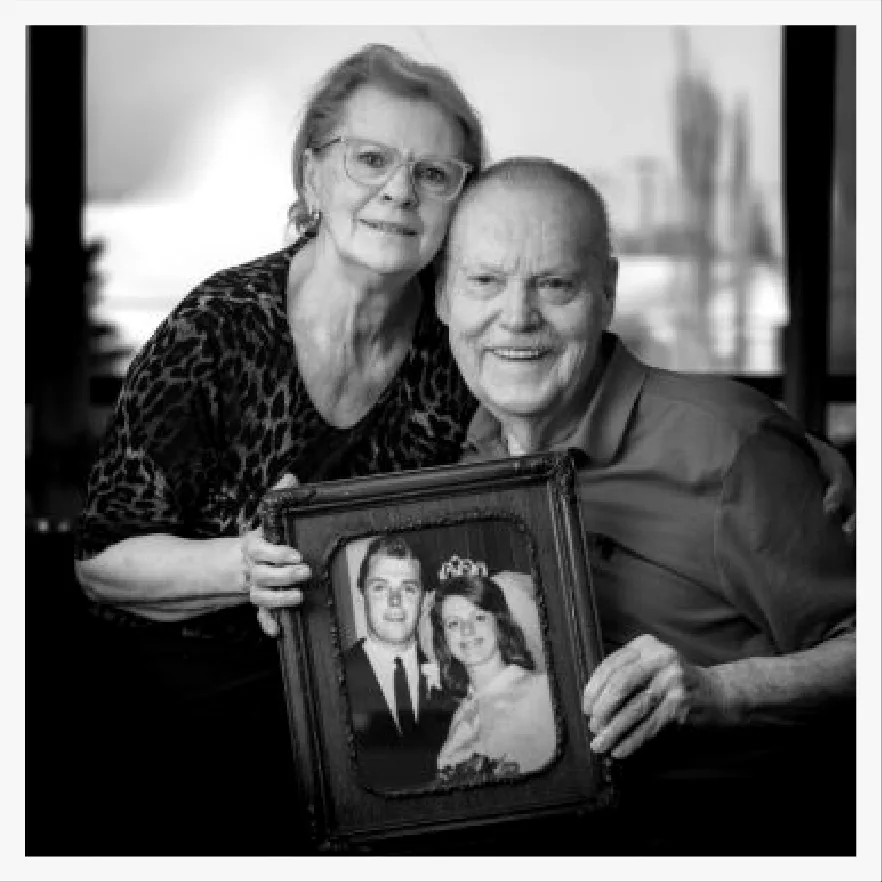
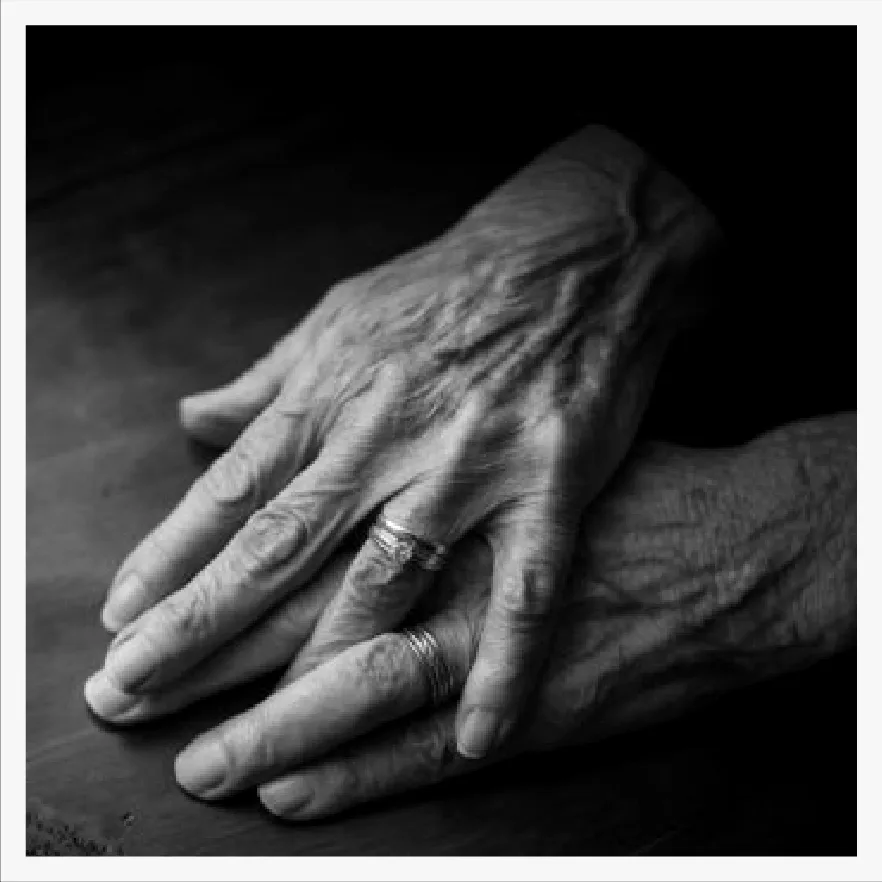
What to do with them afterward
Digital files are easy to store and easy to forget. A photograph becomes part of family life when it is printed, handled, hung and passed on. So the work does not end at the session. It ends on a wall.
Hang them where the family actually lives, not in the back hallway. And write on the back — names, place, year. Somebody down the line will be grateful you did.
What happens in a session
Nobody should arrive on the day wondering what is expected of them. Here is the whole of it, in order.
A short call, first
Twenty minutes on the phone. We settle who is in the pictures, where to make them, what everyone should wear, and a date that suits the whole family.
The session
About 90 minutes, at their home or somewhere that matters to them. Ordinary clothes. I work slowly, and the best frames usually arrive once everyone has forgotten I am there.
Choosing together
We sit down with the photographs and decide which of them deserve to be printed, and where in the house they will live.
The making
Framed portraits, wall groupings, albums and duplicate sets for the family — printed properly, on paper made to last.
Everything in this guide, I make.
I photograph parents and grandparents in their own homes, unhurried, in black and white or colour, and build what comes out of the session into wall art, albums, archives and prints made to last.
The next step is a conversation. Twenty minutes, no obligation, nothing to buy on the call. We talk about who should be in the pictures, where to make them, and whether I am the right person for your family.
Or call 250.299.3486 · hello@robertkoopmansphotography.com